Recent large-scale clinical studies have flagged a growing health crisis across India: Metabolic Dysfunction-Associated Steatotic Liver Disease (MASLD), commonly known as fatty liver disease, is rapidly increasing. While it affects nearly a third of the national population, urban centers are carrying a greater burden. In cities like Hyderabad, nearly 40% of adults are now living with this silent condition.
What was once primarily associated with excessive alcohol use is now increasingly linked to sedentary urban lifestyles, processed food consumption, and rising metabolic disorders such as diabetes and obesity.
Because fatty liver disease rarely causes symptoms in its early stages, it is frequently detected incidentally during routine health check-ups. Left unmanaged, simple fat accumulation can progress to inflammation, fibrosis (scarring), and severe liver complications. However, with early diagnosis and evidence-based treatment, fatty liver disease is highly manageable and often fully reversible.
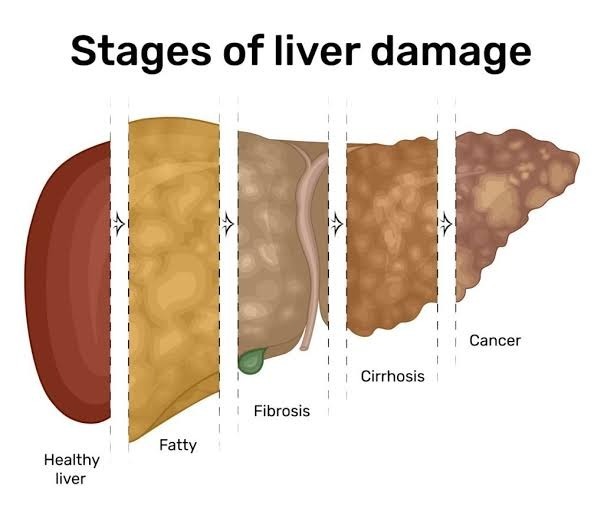
Understanding Fatty Liver Disease (MASLD): Why Cases Are Rising in India
Fatty liver disease develops when excess fat accumulates in liver cells. The increasing prevalence of obesity, diabetes, insulin resistance, and inactive lifestyles has significantly contributed to the rise in cases across India.
Urban populations, particularly in cities like Hyderabad, face higher risk due to:
- Sedentary work culture
- Processed and fast-food consumption
- Increased obesity rates
- Type 2 diabetes
- Metabolic syndrome
- Poor dietary habits
Early identification remains essential because the disease can remain silent for years before causing noticeable symptoms.
Evidence-Based Medications for Fatty Liver Disease and Liver Fibrosis
For many years, weight loss was considered the primary treatment for fatty liver disease. However, recent advances have introduced targeted pharmacological therapies capable of actively reducing liver fat and improving fibrosis, particularly in patients with Metabolic Dysfunction-Associated Steatohepatitis (MASH).
Saroglitazar
Saroglitazar represents a major development in the Indian medical landscape. Approved by the Drug Controller General of India (DCGI) in 2020, India became the first country globally to approve a medication specifically for treating non-cirrhotic NASH and NAFLD.
Taken orally as a tablet, Saroglitazar functions as a dual PPAR-alpha/gamma agonist by:
- Improving insulin sensitivity
- Reducing triglyceride levels
- Reducing liver fat
- Lowering liver enzyme levels
- Improving liver stiffness and fibrosis measured via FibroScan
Clinical trials involving Indian patients have shown significant benefits in both obese individuals and patients with lean fatty liver disease.
Resmetirom (Rezdiffra)
Recently approved by the US FDA, this medication is indicated for adults with moderate-to-advanced liver fibrosis (stages F2–F3).
Its mechanism includes:
- Activating thyroid hormone pathways within the liver
- Increasing fat metabolism
- Reducing liver fat
- Improving fibrosis
GLP-1 Receptor Agonists (Example: Semaglutide)
Originally developed for diabetes and weight management, GLP-1 receptor agonists have demonstrated strong clinical effectiveness by:
- Promoting significant weight reduction
- Reducing liver fat accumulation
- Improving steatohepatitis
- Reducing inflammation
Vitamin E
Natural Vitamin E is often recommended for patients without type 2 diabetes who have biopsy-confirmed steatohepatitis.
Its antioxidant action helps:
- Neutralize inflammation-related cellular damage
- Reduce oxidative stress
Pioglitazone
Primarily used for type 2 diabetes management, Pioglitazone has shown effectiveness in improving steatohepatitis through enhanced insulin sensitivity. However, physicians use it cautiously because of possible side effects including weight gain.
Medication alone is never a complete solution and should always be combined with lifestyle and dietary modifications.
Fatty Liver Diet Plan in India: Liver-Friendly Food Choices for Hyderabad Patients
The objective of dietary intervention is reducing insulin resistance and removing excess liver fat. Within an Indian context—and particularly in Hyderabad’s rich food culture—small, sustainable changes can produce substantial benefits.
| Food Category | Embrace (Liver-Friendly) | Limit or Avoid |
| Grains & Carbohydrates | Jowar rotis, bajra, brown rice, whole wheat | White polished rice, maida, white bread |
| Proteins | Moong dal, chickpeas, egg whites, fish, grilled chicken | Red meat, heavy mutton gravies |
| Fats & Oils | Olive oil, mustard oil, nuts, seeds | Vanaspati (Dalda), excessive butter and ghee |
| Local Cuisine | Tandoori items, clear local soups, spinach dishes | Daily biryanis, haleem, mirchi bajji, deep-fried foods |
| Sugars & Desserts | Fresh fruits, moderate dates | Double ka meetha, Qubani ka meetha, sugary chai |
Early Detection of Fatty Liver with FibroScan at RK London Colorectal & Gastro Centre, Hyderabad
The most important step in preventing irreversible liver damage is accurate disease staging.
Traditional liver biopsy procedures are invasive, while standard ultrasounds may not accurately identify early fibrosis.
To address this diagnostic gap, RK London Colorectal & Gastro Centre in KPHB Phase 7, Hyderabad provides advanced FibroScan diagnostics.
FibroScan utilizes vibration-controlled transient elastography to:
- Measure liver stiffness
- Assess fat accumulation
- Deliver immediate quantitative results
- Eliminate the need for needles or sedation
- Monitor treatment progress effectively
The procedure takes only a few minutes and provides valuable clinical insight for personalized management plans.
International-Standard Gastrointestinal Care in Hyderabad
Under the expert leadership of Dr. Ramakrishna Rao Boddu, a UK-trained Gastrointestinal and Colorectal Surgeon with more than two decades of clinical experience, the centre remains committed to delivering care aligned with international standards.
Dr. Boddu and his dedicated team prioritize:
- Honest patient-centered care
- Transparent communication
- Avoidance of unnecessary investigations or procedures
- Evidence-based treatment approaches
This commitment has helped establish the centre as a trusted destination for gastrointestinal and colorectal care in India.
Frequently Asked Questions (FAQs) About Fatty Liver Disease
1. Can lean individuals get fatty liver disease?
Yes. Lean MASLD is increasingly recognized among Indian populations. Individuals with normal body mass index (BMI) values can still develop fatty liver due to visceral fat accumulation, insulin resistance, or genetic factors.
2. Is fatty liver disease completely reversible?
In early stages involving simple steatosis and even early fibrosis, fatty liver disease is highly reversible. Weight management, dietary changes, and lifestyle modifications can significantly improve liver health.
3. Can I eat rice if I have fatty liver?
Yes, although portion control and food choice are important. Replacing refined white rice with brown rice, quinoa, jowar, or ragi helps reduce blood sugar spikes.
4. Is FibroScan painful and how long does it take?
FibroScan is painless and resembles a routine ultrasound examination. Patients may feel a mild tapping sensation. The procedure usually takes 10–15 minutes without fasting or downtime.
5. What is the difference between FibroScan and ultrasound?
A standard ultrasound can identify liver fat but cannot accurately measure fat quantity or early fibrosis. FibroScan provides precise numerical values for both liver fat and liver stiffness.
6. What are the early symptoms of fatty liver disease?
Fatty liver disease is often called a silent disease because many patients experience no symptoms. Occasionally, fatigue or mild upper abdominal discomfort may occur.
7. Does alcohol cause every case of fatty liver disease?
No. Although alcohol causes Alcohol-Related Liver Disease (ALD), the current rise in cases is primarily associated with obesity, poor diet, and metabolic dysfunction.
8. Are Ayurvedic or herbal liver supplements safe?
Caution is recommended. Many over-the-counter liver products lack strong clinical evidence, and some may cause drug-induced liver injury. Always consult a qualified specialist before taking supplements.
9. Why does diabetes increase fatty liver risk?
Insulin resistance, a key feature of type 2 diabetes, directly promotes excess liver fat storage. More than 60% of people with type 2 diabetes also have fatty liver disease.
10. How quickly can liver fat reduce with diet and exercise?
Patients following consistent lifestyle changes can often observe measurable improvements within 4–8 weeks. Clinical studies suggest that losing approximately 7–10% of body weight produces the most substantial benefits.